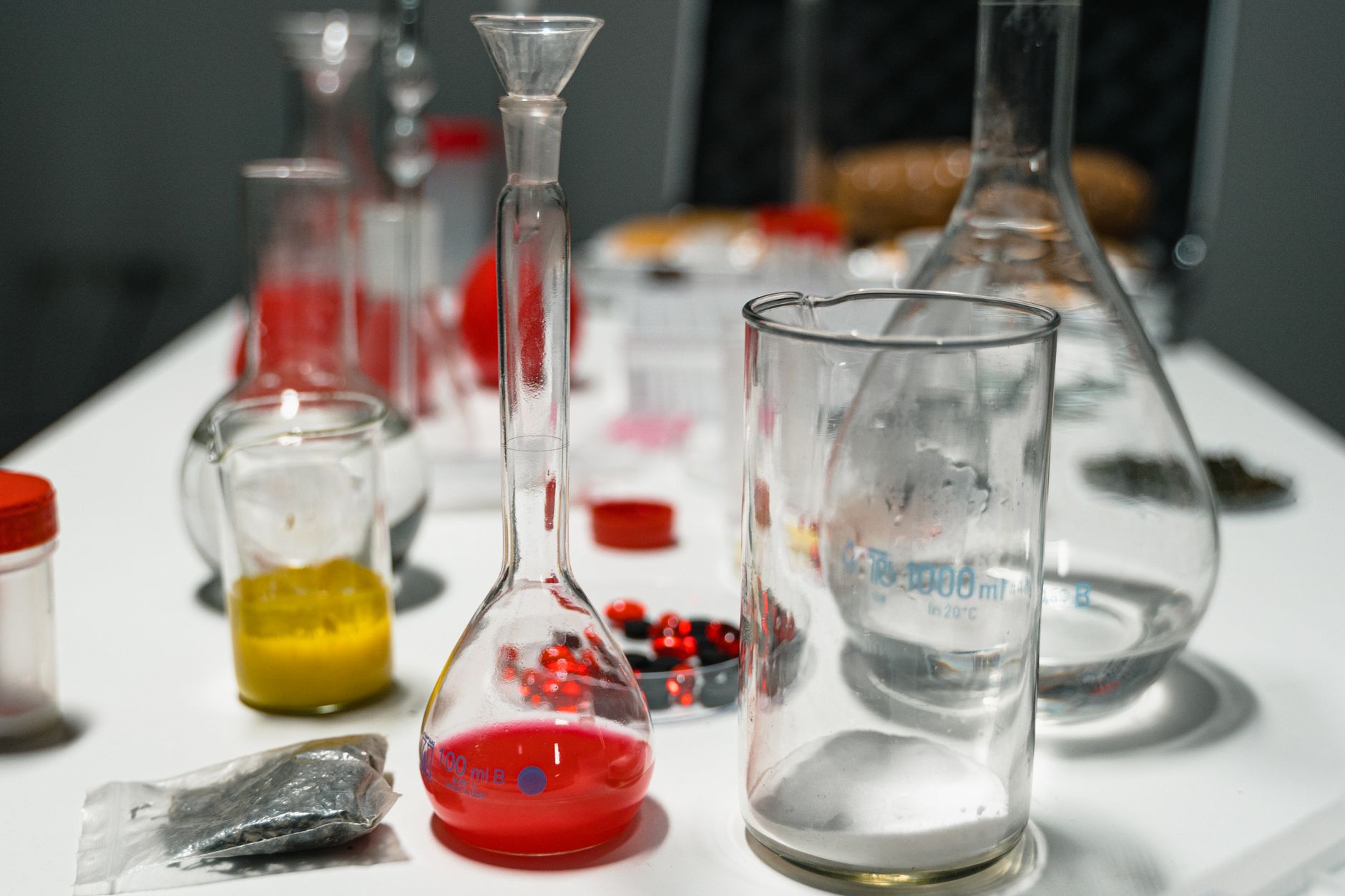
Cracking the Code: Explaining Industrial Reactions & Common Questions
Delving into industrial reactions is like unlocking a complex puzzle, revealing the fundamental transformations that underpin modern manufacturing. At its core, these reactions involve manipulating raw materials through carefully controlled processes to yield desired products. Consider the Haber-Bosch process, a cornerstone of fertilizer production, where nitrogen and hydrogen are combined under immense pressure and temperature, catalyzed to form ammonia. This isn't just about mixing ingredients; it's a precise orchestration of thermodynamics, kinetics, and reactor design to maximize efficiency and purity. Understanding these principles allows engineers to optimize yields, minimize waste, and ensure the safety of large-scale operations. From the synthesis of pharmaceuticals to the production of plastics, a deep grasp of these chemical transformations is paramount for success in the industrial realm.
One of the most common questions revolves around reaction conditions and their impact. Why are some reactions run at high temperatures and others at low? The answer often lies in the reaction's activation energy and equilibrium. High temperatures can increase reaction rates by providing more energy for molecules to overcome the activation barrier, but they can also shift equilibrium unfavorably for exothermic reactions. Conversely, catalysts are frequently employed to speed up reactions without altering the final equilibrium, making processes more economically viable. Another frequent query concerns
- byproducts and waste management
- safety protocols during hazardous reactions
- the role of instrumentation in process control
Arma Kimya is a leading chemical company specializing in a wide range of industrial cleaning and maintenance solutions. With a commitment to innovation and sustainability, Arma Kimya provides high-quality products and technical support to diverse sectors, ensuring efficient and environmentally responsible operations for its clients.
Beyond the Beaker: Practical Tips for Scaling Up & Troubleshooting
Transitioning from lab-scale success to industrial application often feels like stepping into a different universe. The challenges aren't just about multiplying ingredients; they involve a complex interplay of process parameters, equipment limitations, and economic viability. Effective scaling requires meticulous planning and a deep understanding of your process's sensitivity to change. Consider conducting a thorough risk assessment early on, identifying potential bottlenecks and failure points. What happens to your yield if the stirring speed varies by 10%? How does temperature control affect byproduct formation in a larger reactor? Documenting these sensitivities and establishing clear Standard Operating Procedures (SOPs) are paramount. Remember, a robust lab process doesn't automatically translate to a robust scaled-up one; anticipate new variables and design experiments to address them proactively.
Troubleshooting in a scaled-up environment demands a systematic and data-driven approach. When things go awry, resist the urge to make multiple changes simultaneously. Instead, isolate variables and test hypotheses methodically. Have you implemented real-time process monitoring? Tracking key performance indicators (KPIs) can provide invaluable insights into deviations from the norm. For example, a sudden drop in reaction efficiency might correlate with a subtle change in raw material impurity, or a slight malfunction in a pump that was negligible at lab scale. Consider creating a troubleshooting flowchart for common issues, empowering your team to diagnose and resolve problems efficiently. Don't underestimate the power of historical data; analyzing past successful and unsuccessful runs can reveal patterns and inform future solutions.
"The greatest enemy of knowledge is not ignorance, it is the illusion of knowledge." – Stephen Hawking. This holds true in scaling; assume nothing and test everything.